Research Projects

Active projects

Action

PI: Aaron Schurger & Uri Maoz
Lead: Tomáš Dominik
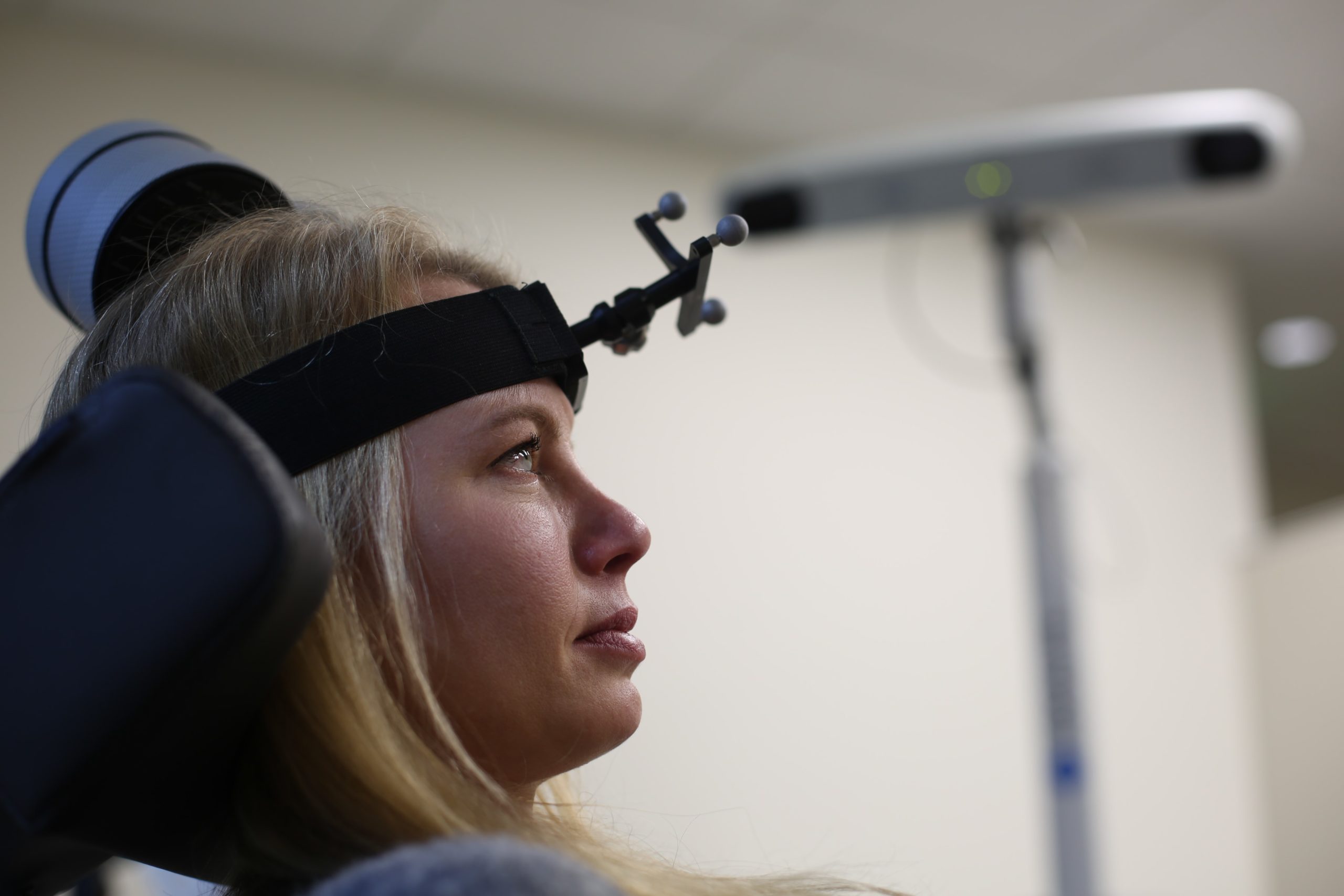
Do we always eventually become consciously aware of our reactions to external stimuli? In this study, we determine the role of consciousness in stimulus-driven reactions experimentally, using a go/no-go task in conjunction with EEG, EMG, and sensitive position tracking recordings.
PI: Uri Maoz
Lead: Tomáš Dominik
Dissociating intention from foresight is critically important for many legal questions. In this experiment, participants play a video game involving choices that may result in an outcome that can be either intended or merely foreseen by the participant. We analyze the participants’ behavioral and neural data to dissociate intention from mere foresight.
PI: Uri Maoz & Aaron Schurger
Lead: Lucas Jeay-Bizot
The generation and execution of voluntary actions can be described as involving three components: 1) the conscious experience of choosing and carrying out the action, 2) the neural activity preceding and following the action, and 3) the timing and intensity of the movement.
This study examines the causal roles and relationships between different brain regions implicated in these components of voluntary action during deliberate and arbitrary decision-making.
PI: Aaron Schurger & Uri Maoz
Lead: Lucas Jeay-Bizot
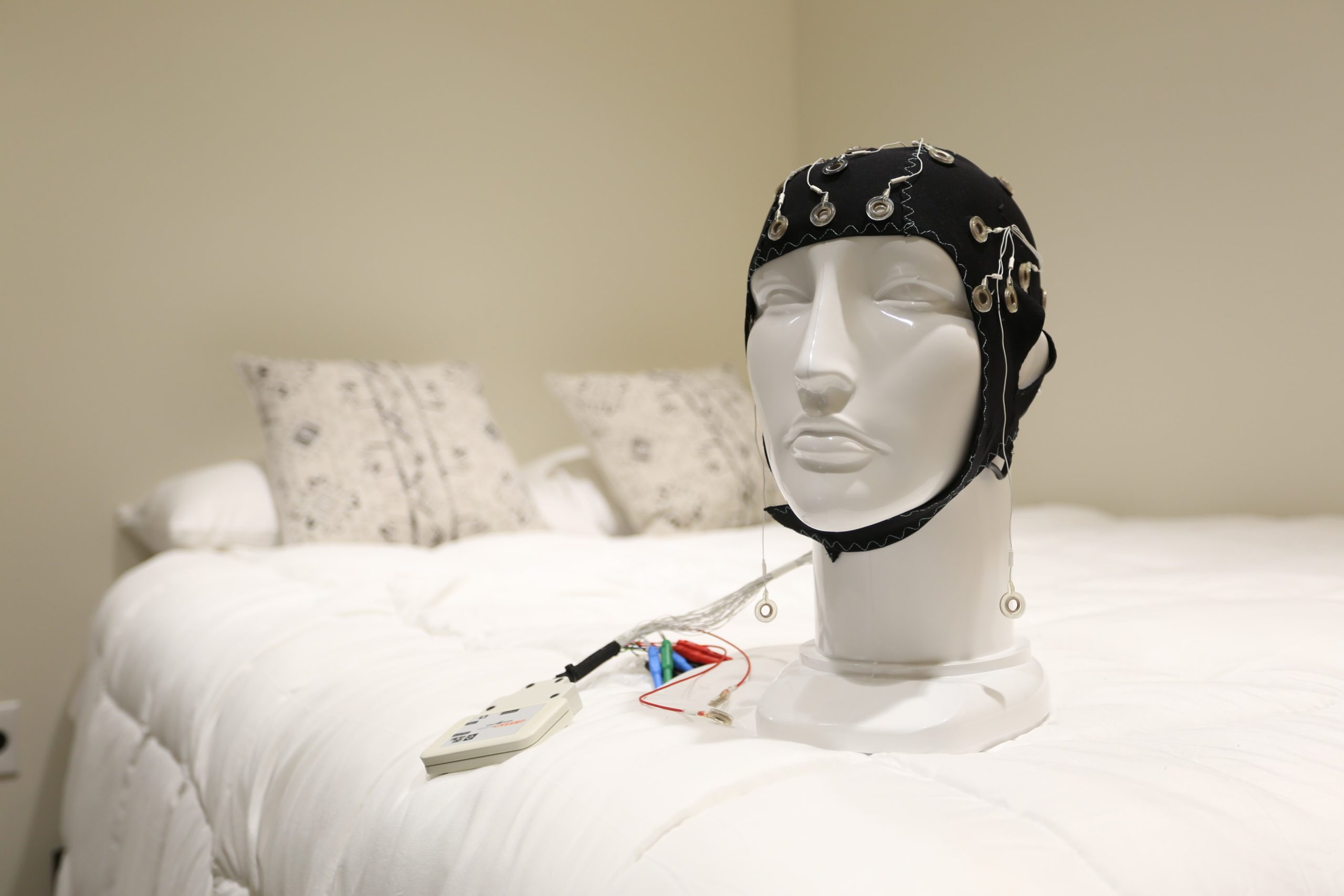
The neural basis of intention is still largely unknown. In this study, we will aim to decode the process of decision-making and intention-formation from electroencephalography (EEG) brain signals. We intend to use these methods to answer questions such as how intentions are shaped either freely or from environmental cues.
PI: Uri Maoz
Lead: Alejandro de Miguel
This project proposes a deep-learning-based BCI approach that utilizes skull-surface EEG recordings to decode treadmill speed in head-fixed rats.
PI: Uri Maoz
Lead: Alejandro de Miguel
In this project, we use intracranial recordings in rats to identify brain activity predicting inhibition of movement.
PI: Aaron Schurger
Lead: Lucas Jeay-Bizot
The moment of subjective decision to move is difficult to measure. In this project, we test a novel approach to the problem. We provide a suggestion about the intention onset to the participant and then we use the participant’s willingness to accept the suggestion as a proxy for how well-developed their intention actually is. 
PI: Aaron Schurger
Lead: Emma Kochenderfer (undergraduate RA)
60-80% of aircraft accidents are caused by human error. Advancements in aviation (autopilot, digital flight displays) reduce pilot workload and improve efficiency, but have risk of impacting attention, situational awareness, and decision-making. The goal of this project is to examine simple reaction times of participants while they are controlling the aircraft in bad/good weather and in autopilot/manual flight.
PI: Aaron Schurger & Uri Maoz
Lead: Lucas Jeay-Bizot
Following recent reports of coupling between neural activity and respiration during self-initiated actions, we identified a confound in the original analysis. Using new empirical data and simulations, we show that the apparent neural–respiratory relationship disappears once this confound is accounted for.
PI: Aaron Schurger & Uri Maoz
Lead: Lucas Jeay-Bizot
We review the use of slow-drift correction methods in self-initiated action research, with a particular focus on baseline correction. Re-analyzing five readiness potential datasets, we show that baseline correction is not a neutral preprocessing step, but can instead fundamentally drive a study’s results. We therefore advocate for careful justification of slow-drift processing methods and parameter choices, particularly in research on event-preceding neural activity.

Consciousness

PI: Aaron Schurger
Lead: Natalia Keshishian (undergraduate RA)
There are a multitude of perceptual details that people can attend to during social interactions. In order to interact effectively without being caught up in these low-level details, people form an abstract mental representation of the information surrounding the interaction. In this study, we examine how this ability to form simplified mental representations when perceiving images of faces relates to social cognitive ability.
PI: Aaron Schurger
Lead: Ugo Bruzadin-Nunes
This study examines several neural correlates of consciousness across three experimental paradigms commonly used in studies of visual perception. By doing so, we aim to test whether the neural correlates of interest are truly activated by consciousness of visual stimuli as opposed to resulting from differences across participants and experimental paradigms.
PI: Aaron Schurger
Lead: Arushi Shelvankar, Cole Raber
There is mixed evidence for whether people are able to subconsciously detect and respond to questions on visual stimuli with accuracy. Some have argued that findings in support of a threshold for subconscious visual perception are only the result of conscious perception at a low level of confidence. In this study, we aim to determine whether there is in fact a threshold for subconscious visual perception in addition to the threshold for conscious awareness.

PI: Uri Maoz
Lead: Ben Perry
This multi-lab replication project investigates the Ganzfeld paradigm, a telepathy protocol involving perceptual deprivation. Using strict pre-registered double-blind conditions, the study evaluates whether anomalous information transfer between participants exceeds chance expectations on a large scale.
PI: Aaron Schurger
Lead: Dimitri Bredikhin
Del Cul et al. (2009) reported that patients with prefrontal lesions show a selectively elevated threshold for conscious visual access, interpreted as evidence for a causal role of prefrontal cortex in consciousness. Here, we propose an alternative account for their findings: the observed behavioral differences may reflect changes in how sensory or decision-making noise is processed, rather than a specific impairment of conscious access. To test this hypothesis, we are developing a computational model and a matched empirical paradigm in healthy adults, aiming to distinguish between these explanations.
PI: Aaron Schurger
Lead: Dimitri Bredikhin
Studies of conscious access rely on conditions in which participants fail to identify a stimulus, even though they still detect that a visual event has occurred. Here we propose that this approach conflates two distinct processes: detecting the presence of a sensory event and identifying its content. To dissociate them, we use a novel technique that presents visual stimuli without participants noticing that any event has occurred. We combine behavioral measures with event-related potentials (ERPs) to characterize how visual processing unfolds in the absence of event detection.
PI: Aaron Schurger
Lead: Corwin Golian (undergraduate RA)
This project examines how surprise may reveal non-conscious processing of sensory stimuli and implicit assumptions about one’s own performance. Participants complete a near visual-threshold task to induce uncertainty, and their skin conductance is measured to detect Galvanic Skin Responses (GSR).

Artificial Intelligence

PI: Uri Maoz
Lead: Tomáš Dominik
How can we detect AI systems that are pretending to be aligned with human values while covertly pursuing different objectives? The Black Box Project approaches this question as a psychometric problem, applying knowledge from human psychology and cognitive science to develop tools to identify subtle behavioral signatures of deception from an AI’s inputs and outputs alone, without accessing its internal workings.
PI: Uri Maoz
Lead: Tomáš Dominik
Does lying require more cognitive effort than telling the truth? This project tests whether AI systems engaged in deception produce measurably longer reasoning chains. We use token count as a proxy for cognitive load to distinguish truthful from deceptive responses.
PI: Uri Maoz
Lead: Paulius Rimkevičius, Alina Niftulaeva
AI safety research is hampered by a lack of shared, precise definitions for its most fundamental terms. This project brings together philosophers, computer scientists, and ethicists to develop rigorous, cross-disciplinary definitions of concepts like alignment, deception, and intention—giving the field the conceptual vocabulary it needs to make progress.
PI: Uri Maoz
Lead: Sri Pranav Kunda

Closed projects

PI: Uri Maoz & Aaron Schurger
Lead: Jake Gavenas
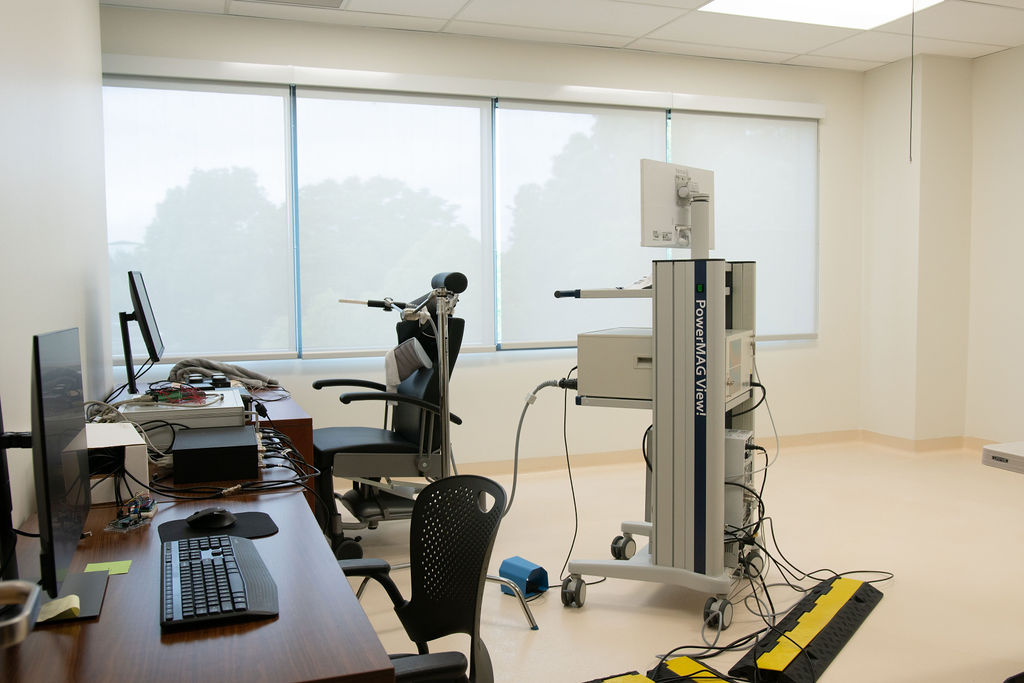
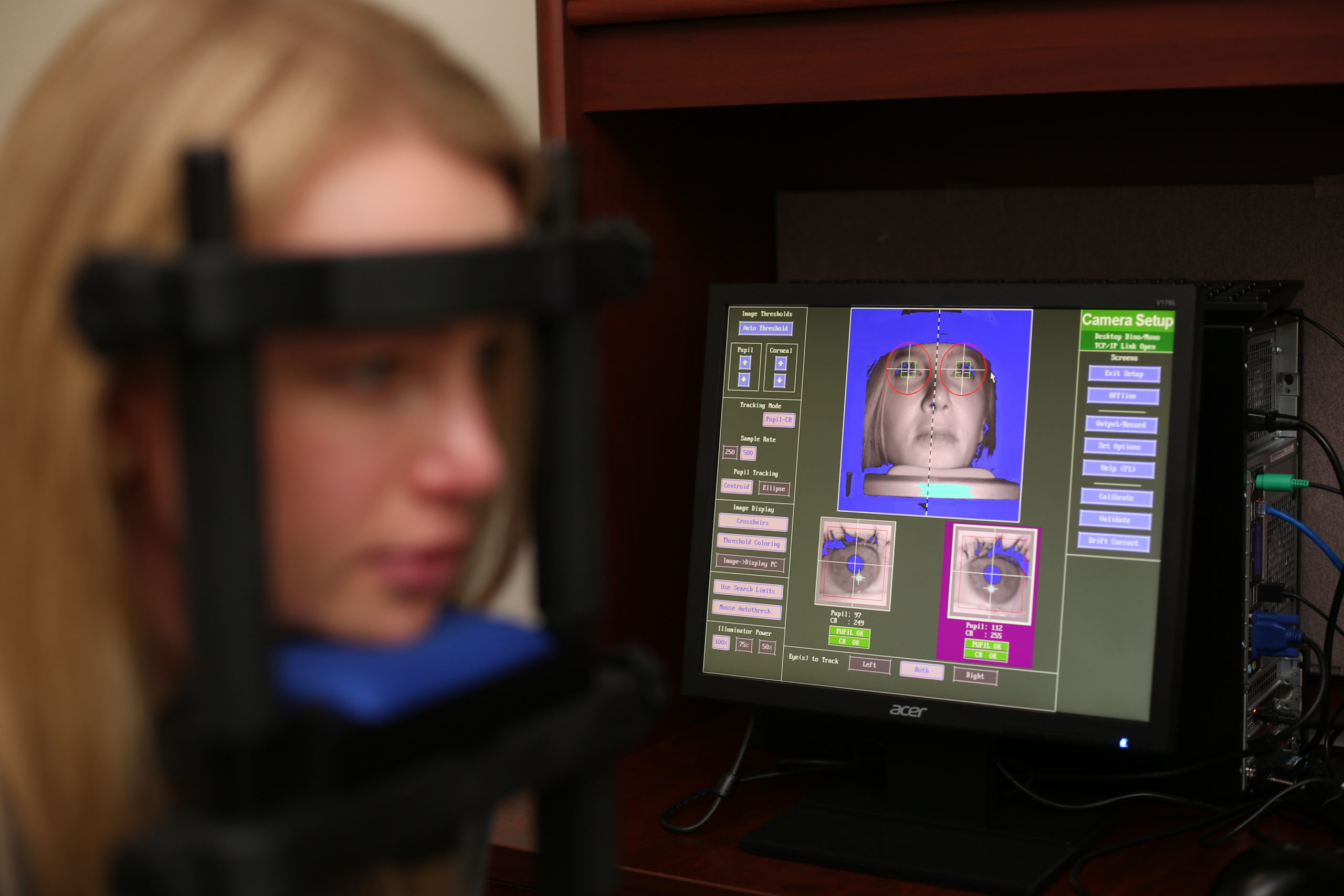
This project combines neural stimulation and physiological recordings in order to uncover the relationship between subcortical arousal mechanisms (indexed by pupillometry) and TMS-EEG signatures of awareness, such as complexity and stability.
PI: Uri Maoz
Lead: Alice Wong, Sophia Hartenbaum
We investigated the sense of agency—the sense of ownership or authorship of our actions. TMS was used to artificially activate cortical regions of the brain. When TMS is applied to motor cortex participants move their arms, legs, or other muscles involuntarily. Wittgenstein famously asked: “What is left over if I subtract the fact that my arm goes up from that fact that I raise my arm?” Using TMS, we aimed to answer this interesting question.
PI: Uri Maoz & Aaron Schurger
Lead: Jake Gavenas
This project aims to uncover the similarities and differences in how the brain generates self-initiated actions and creative ideas, two examples of spontaneous behavior. We investigate similarities and differences in behavior as well as antecedent pupillary signals.
PI: Aaron Schurger
Lead: Paulius Rimkevičius
Is imagining one of the ways through which people become aware of intending to act? Do brain signals associated with a voluntary action partly reflect imagination related to that action? Does the experience of deciding feel active or passive? In this experiment, we investigate these questions surrounding the experience of volition using methods such as Libet-type tasks in which participants are asked to move or imagine moving.
PI: Uri Maoz
Lead: Jake Gavenas
This project aimed to develop a novel method for studying intentionality and commitment to a plan of action by analyzing reaction time patterns when participants are forced to change their minds.
PI: Uri Maoz
Lead: Uri Maoz
The Sound-Induced Flash Illusion has been documented in previous research on auditory-visual integration in the human brain. This illusion is induced during a perceptual task in which visual flashes are presented on a computer simultaneously with a disparate number of auditory beeps, leading the observer to misperceive the number of flashes that they have seen. In this project, we record EEG activity and eye movements in order to identify the neural correlates of this phenomenon.
PI: Aaron Schurger
Lead: Lucas Jeay-Bizot
The readiness potential (RP) is a slow buildup of electrical potential recorded at the scalp preceding spontaneous muscle movement. When first discovered, the RP was interpreted as evidence that the decision to act is made far in advance of the movement, even before an individual’s conscious awareness of the decision. However, since then, this interpretation has been called into question, with one criticism being that the RP may precede but is not unique to spontaneous action. 
The purpose of this study is to add to this debate surrounding the readiness potential by testing the earliest time point at which the EEG data preceding spontaneous action can be differentiated from EEG activity that did not precede any action.
PI: Aaron Schurger & Tomáš Dominik
Lead: Suravi Kanugula (undergraduate RA)
Humans commonly feel like the authors of their own actions. In this project, we investigated how well they are aware of external influences affecting their behavior.

Equipment

Showcase

Research Sponsors